
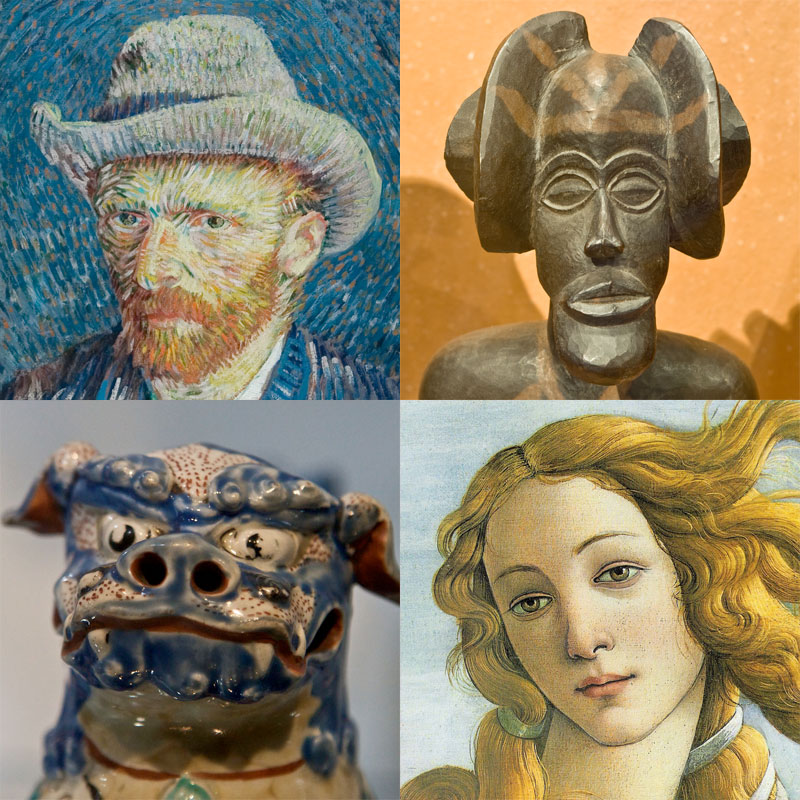
Contents
- 🎵 Origins & Evolution of Creative Expression
- ⚙️ The Mechanics of Artistic Production and Dissemination
- 📊 Scale and Economic Impact of the Arts
- 👥 Key Players in the Global Art Scene
- 🌍 Cultural Resonance and Societal Influence
- ⚡ Contemporary Art Trends and Latest Developments
- 🤔 Debates and Controversies in the Art World
- 🔮 The Future of Art and Creative Industries
- 💡 Real-World Applications of Artistic Principles
- 📚 Further Exploration of Art and Culture
- References
Overview
The concept of 'art' as a distinct category of human activity, separate from craft or utility, solidified in Western thought around the 17th century, distinguishing 'fine arts' from 'applied arts.' However, the impulse to create and express through visual, auditory, and performative means is as old as humanity itself. Early civilizations across Egypt, Mesopotamia, and Greece developed sophisticated artistic traditions that served religious, political, and social functions, laying groundwork for later developments. The Renaissance in Europe, particularly in cities like Florence, saw a resurgence of classical ideals and the elevation of artists like Leonardo da Vinci and Michelangelo to esteemed status, profoundly shaping artistic canons that continue to resonate today. The subsequent centuries witnessed movements like Baroque, Neoclassicism, and Romanticism, each reflecting and shaping the socio-political landscapes of their time, leading into the radical departures of modern art in the 20th century.
⚙️ The Mechanics of Artistic Production and Dissemination
The production and dissemination of art today involve a complex ecosystem. Visual arts often begin with conceptualization and material execution, whether through traditional mediums like oil paint on canvas or digital tools for digital art creation. Music involves composition, performance, and recording, increasingly facilitated by digital audio workstations (DAWs) and online platforms like SoundCloud. Film production integrates scriptwriting, cinematography, acting, editing, and sound design, culminating in distribution through cinemas, streaming services like Netflix, and broadcast television. Performing arts, such as theater and dance, rely on live performance and stagecraft. The internet and social media have democratized distribution, allowing artists to reach global audiences directly, bypassing traditional gatekeepers and fostering new forms of interactive and participatory art, exemplified by the rise of web art communities.
📊 Scale and Economic Impact of the Arts
The economic footprint of art is substantial and multifaceted. According to reports from Art Basel and UBS, the global art market was estimated to be worth approximately $65 billion in 2022. This figure encompasses sales at galleries, auction houses like Christie's, and art fairs. Beyond the market, the broader creative industries, including film, music, publishing, and design, contribute trillions to the global GDP. For instance, the global music industry generated over $26 billion in revenue in 2022, driven largely by streaming services. The video game industry, a significant artistic and technological sector, surpassed $200 billion in global revenue in 2023. These figures highlight art's role not just as cultural expression but as a major economic driver, creating jobs and fostering innovation across numerous sectors.
👥 Key Players in the Global Art Scene
Key figures and organizations shape the global art landscape. Artists like Banksy, known for his anonymous street art and social commentary, and Beyoncé, whose visual albums redefine musical performance, command significant cultural and economic influence. Major institutions such as the Museum of Modern Art (MoMA) in New York and the Tate Modern in London serve as crucial venues for exhibiting and preserving art. Art fairs like Art Basel and Frieze act as global marketplaces and meeting points for collectors, dealers, and artists. Tech giants are also increasingly involved; Google Arts & Culture digitizes and makes accessible vast art collections worldwide, while companies like NVIDIA provide the computational power for advanced computer graphics and AI art generation. Philanthropic organizations also play a role, funding arts education and supporting emerging artists.
🌍 Cultural Resonance and Societal Influence
Art's influence permeates global culture, shaping perceptions, sparking dialogue, and driving social change. The visual language of movements like Pop Art in the 1950s and 60s, exemplified by artists like Andy Warhol, reflected and critiqued consumer culture, leaving an indelible mark on advertising and design. Music genres, from Jazz originating in the American South to K-Pop dominating global charts, carry cultural identities and influence fashion, language, and social trends worldwide. Cinema has proven a powerful medium for storytelling and cultural exchange, with films like Parasite winning international acclaim and sparking conversations about social inequality. Activist art, from Guerrilla Girls challenging sexism in the art world to protest songs during the Civil Rights Movement, demonstrates art's capacity to mobilize opinion and advocate for change.
⚡ Contemporary Art Trends and Latest Developments
The current art scene is characterized by rapid technological integration and evolving definitions of creativity. AI-generated art tools like Midjourney and DALL-E 2 have exploded in popularity, raising questions about authorship and originality. The rise of NFTs and blockchain technology has created new markets for digital art, though its long-term viability remains a subject of debate. Immersive experiences, utilizing VR and AR, are becoming more common in galleries and public spaces, offering novel ways to engage with art. Furthermore, there's a growing emphasis on art that addresses pressing global issues, such as climate change and social justice, with artists like Ai Weiwei using their platforms to highlight human rights concerns. The Metaverse is also emerging as a potential new frontier for artistic creation and exhibition.
🤔 Debates and Controversies in the Art World
The definition and value of art are perpetually debated. The emergence of AI art has ignited fierce discussions about whether machines can be truly creative and what constitutes authorship when algorithms generate images. The art market faces scrutiny regarding issues of authenticity, provenance, and speculative investment, particularly with high-value works and the volatile NFT market. Ethical concerns arise around cultural appropriation, the representation of marginalized communities, and the environmental impact of certain art forms, such as the energy consumption of some blockchain-based art. Debates also persist about what qualifies as 'high art' versus 'low art' or 'craft,' a distinction that has historically excluded many forms of artistic expression from mainstream recognition.
🔮 The Future of Art and Creative Industries
The future of art is likely to be increasingly intertwined with technology and global interconnectedness. Expect further advancements in AI art generation, potentially leading to collaborative human-AI creative processes. The Metaverse and Web3 could foster new decentralized platforms for art creation, ownership, and exhibition, challenging traditional gallery models. VR and AR will likely offer more sophisticated immersive experiences, blurring the lines between physical and digital art. There will likely be a continued focus on art that addresses urgent global challenges, with artists playing a crucial role in fostering empathy and driving dialogue around issues like climate change and social equity. The accessibility of art creation tools will continue to grow, potentially leading to a more diverse range of voices and perspectives gaining prominence.
💡 Real-World Applications of Artistic Principles
Artistic prin
Key Facts
- Category
- culture
- Type
- topic