
Contents
- 🎨 Origins & History
- 👗 How It Works
- 📊 Key Facts & Numbers
- 👥 Key People & Organizations
- 🌍 Cultural Impact & Influence
- ⚡ Current State & Latest Developments
- 🤔 Controversies & Debates
- 🔮 Future Outlook & Predictions
- 💡 Practical Applications
- 📚 Related Topics & Deeper Reading
- Frequently Asked Questions
- References
- Related Topics
Overview
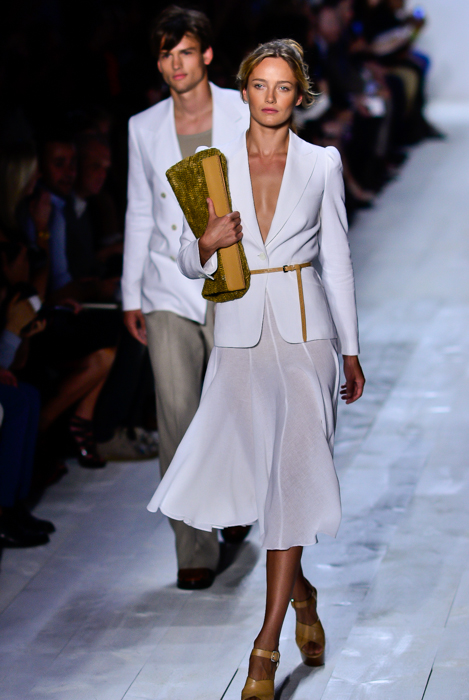
Fashion Week is a week-long event where fashion designers, brands, and houses display their latest collections in runway fashion shows, influencing upcoming fashion trends for the current and approaching seasons. The most prominent fashion weeks are held in the fashion capitals of the world, including New York City, London, Milan, and Paris, known as the 'Big Four'. With a history dating back to the late 1800s in Paris, fashion weeks have evolved to include themes of sustainability and a faster 'retail cycle' with 'see now, buy-now' and 'in-season' fashion shows. Today, fashion weeks are a major platform for designers to showcase their work, with many events held throughout the year in various cities around the world. The impact of fashion weeks can be seen in the way they influence fashion trends, with many designers and brands using the events to debut their latest collections. For example, Alexander McQueen's runway shows are known for their dramatic and avant-garde designs, while Chanel's shows are renowned for their classic and elegant style. With the rise of social media, fashion weeks have become more accessible to a wider audience, with many events being live-streamed and shared on platforms like Instagram and Twitter.
🎨 Origins & History
Fashion Week has its roots in the late 1800s in Paris, where designers would showcase their latest collections in public spaces like racetracks. Over time, the event grew in popularity and spread to other cities, including New York, Milan, and London. Today, the 'Big Four' fashion weeks are held in these cities, with many other events taking place throughout the year in cities like Tokyo, Sydney, and Los Angeles. For example, Versace's runway shows are known for their bold and glamorous designs, while Gucci's shows are renowned for their eclectic and avant-garde style. The history of fashion week is closely tied to the development of the fashion industry, with pioneers like Coco Chanel and Christian Dior playing a significant role in shaping the event.
👗 How It Works
The mechanics of Fashion Week are complex, with many different stakeholders involved, including designers, brands, models, and buyers. The event is typically organized by a governing body, such as the Fashion Designers Association of America, which oversees the scheduling and production of the shows. Designers and brands must apply to participate in the event, and are selected based on their reputation, quality of their designs, and other factors. Once selected, they must create a collection of outfits to showcase on the runway, which are then reviewed by buyers and the media. For instance, Prada's designs are known for their understated yet sophisticated style, while Dior's shows are renowned for their luxurious and feminine designs. The production of a fashion show involves a team of professionals, including models, stylists, and makeup artists, who work together to bring the designer's vision to life.
📊 Key Facts & Numbers
Some key facts and numbers about Fashion Week include the fact that the event attracts over 100,000 attendees each year, including buyers, models, and media representatives. The event also generates over $1 billion in revenue each year, with many designers and brands using the event to debut their latest collections and showcase their designs to a global audience. For example, Louis Vuitton's runway shows are known for their elaborate and theatrical designs, while Fendi's shows are renowned for their bold and playful style. Additionally, the event has a significant impact on the fashion industry, with many designers and brands using the event to launch new trends and styles. The rise of social media has also changed the way fashion weeks are consumed, with many events being live-streamed and shared on platforms like Instagram and Twitter.
👥 Key People & Organizations
Some key people and organizations involved in Fashion Week include designers like Ralph Lauren and Calvin Klein, as well as brands like Chanel and Gucci. The event is also supported by many industry organizations, including the Fashion Designers Association of America and the British Fashion Council. For instance, Donatella Versace is known for her bold and glamorous designs, while Riccardo Tisci is renowned for his eclectic and avant-garde style. The role of fashion weeks in promoting emerging designers and brands is also significant, with many events providing a platform for new talent to showcase their work.
🌍 Cultural Impact & Influence
Fashion Week has a significant cultural impact and influence, with many designers and brands using the event to debut their latest collections and showcase their designs to a global audience. The event also has a significant economic impact, with many cities and countries relying on the event to generate revenue and create jobs. For example, New York Fashion Week generates over $900 million in revenue each year, while London Fashion Week generates over $100 million. Additionally, the event has a significant impact on popular culture, with many designers and brands using the event to launch new trends and styles. The influence of fashion weeks can be seen in the way they shape the fashion industry, with many designers and brands using the event to showcase their latest collections and designs.
⚡ Current State & Latest Developments
Today, Fashion Week is a major platform for designers to showcase their work, with many events held throughout the year in various cities around the world. The event has also become more accessible to a wider audience, with many events being live-streamed and shared on social media platforms like Instagram and Twitter. For instance, Paris Fashion Week is known for its luxurious and elegant designs, while Milan Fashion Week is renowned for its bold and glamorous style. The rise of digital fashion weeks has also changed the way the event is consumed, with many designers and brands using online platforms to showcase their designs and connect with their audience.
🤔 Controversies & Debates
Some controversies and debates surrounding Fashion Week include the issue of sustainability, with many designers and brands being criticized for their environmental impact and lack of diversity on the runway. There are also concerns about the exploitation of models and workers in the fashion industry, with many calling for greater regulation and protection. For example, Vivienne Westwood has been a vocal advocate for sustainability in the fashion industry, while Stella McCartney has been a pioneer in the use of eco-friendly materials in her designs. The impact of fast fashion on the environment and society is also a significant concern, with many designers and brands being criticized for their role in promoting a culture of disposability and waste.
🔮 Future Outlook & Predictions
Looking to the future, Fashion Week is likely to continue to evolve and adapt to changing trends and technologies. With the rise of social media and e-commerce, the event is likely to become even more accessible and global, with many designers and brands using the event to debut their latest collections and showcase their designs to a wider audience. For instance, Balenciaga's runway shows are known for their bold and avant-garde designs, while Givenchy's shows are renowned for their elegant and sophisticated style. The use of digital platforms and social media is also likely to play a significant role in the future of fashion weeks, with many designers and brands using these platforms to connect with their audience and showcase their designs.
💡 Practical Applications
Fashion Week has many practical applications, with many designers and brands using the event to debut their latest collections and showcase their designs to a global audience. The event is also an important platform for emerging designers and brands to showcase their work and gain recognition. For example, Alexander Wang's runway shows are known for their edgy and avant-garde designs, while Proenza Schouler's shows are renowned for their elegant and sophisticated style. The role of fashion weeks in promoting innovation and creativity in the fashion industry is also significant, with many designers and brands using the event to showcase their latest designs and technologies.
Key Facts
- Year
- 1850s
- Origin
- Paris, France
- Category
- culture
- Type
- event
Frequently Asked Questions
What is Fashion Week?
Fashion Week is a week-long event where fashion designers, brands, and houses display their latest collections in runway fashion shows to buyers and the media, influencing upcoming fashion trends for the current and approaching seasons. For example, Chanel's runway shows are known for their classic and elegant designs, while Gucci's shows are renowned for their bold and eclectic style.
Where are the most prominent fashion weeks held?
The most prominent fashion weeks are held in the fashion capitals of the world, including New York City, London, Milan, and Paris, known as the 'Big Four'. For instance, New York Fashion Week is known for its diverse and eclectic designs, while London Fashion Week is renowned for its avant-garde and experimental style.
What is the history of Fashion Week?
The foundations of fashion week began in Paris in the late 1800s, where designers would showcase their latest collections in public spaces like racetracks. Over time, the event grew in popularity and spread to other cities, including New York, Milan, and London. For example, Vivienne Westwood has been a pioneer in the use of historical and cultural references in her designs, while Stella McCartney has been a leader in the use of sustainable materials in her designs.
What is the cultural impact of Fashion Week?
Fashion Week has a significant cultural impact and influence, with many designers and brands using the event to debut their latest collections and showcase their designs to a global audience. The event also has a significant economic impact, with many cities and countries relying on the event to generate revenue and create jobs. For instance, Paris Fashion Week generates over $1 billion in revenue each year, while Milan Fashion Week generates over $500 million.
What are some controversies surrounding Fashion Week?
Some controversies and debates surrounding Fashion Week include the issue of sustainability, with many designers and brands being criticized for their environmental impact and lack of diversity on the runway. There are also concerns about the exploitation of models and workers in the fashion industry, with many calling for greater regulation and protection. For example, Alexander McQueen's runway shows were known for their dramatic and avant-garde designs, while Balenciaga's shows are renowned for their bold and experimental style.
What is the future of Fashion Week?
Looking to the future, Fashion Week is likely to continue to evolve and adapt to changing trends and technologies. With the rise of social media and e-commerce, the event is likely to become even more accessible and global, with many designers and brands using the event to debut their latest collections and showcase their designs to a wider audience. For instance, Givenchy's runway shows are known for their elegant and sophisticated designs, while Proenza Schouler's shows are renowned for their bold and avant-garde style.
How does Fashion Week impact the fashion industry?
Fashion Week has a significant impact on the fashion industry, with many designers and brands using the event to debut their latest collections and showcase their designs to a global audience. The event also has a significant economic impact, with many cities and countries relying on the event to generate revenue and create jobs. For example, Louis Vuitton's runway shows are known for their elaborate and theatrical designs, while Fendi's shows are renowned for their bold and playful style.